
As I rolled out my latest batch of dough, the aroma of freshly baked bread filled the kitchen, whisking me back to warm, bustling pizzerias on sun-kissed Italian streets. This Artisan Pizza Dough recipe is my go-to for crafting that perfect balance of crispy, chewy, and bubbly crusts, transforming simple ingredients into a pizza experience that rivals your favorite local spot. Whether you’re a seasoned home-chef or someone just tired of takeout, this dough is surprisingly easy to make and promises to elevate your pizza nights to a whole new level. Not only does it require minimal prep time with maximum flavor payoff, but it also freezes beautifully—making it a smart addition to your meal-planning arsenal. Ready to take your homemade pizza to the next level? Let’s dive in and discover the joy of crafting artisanal pizza from your own kitchen!
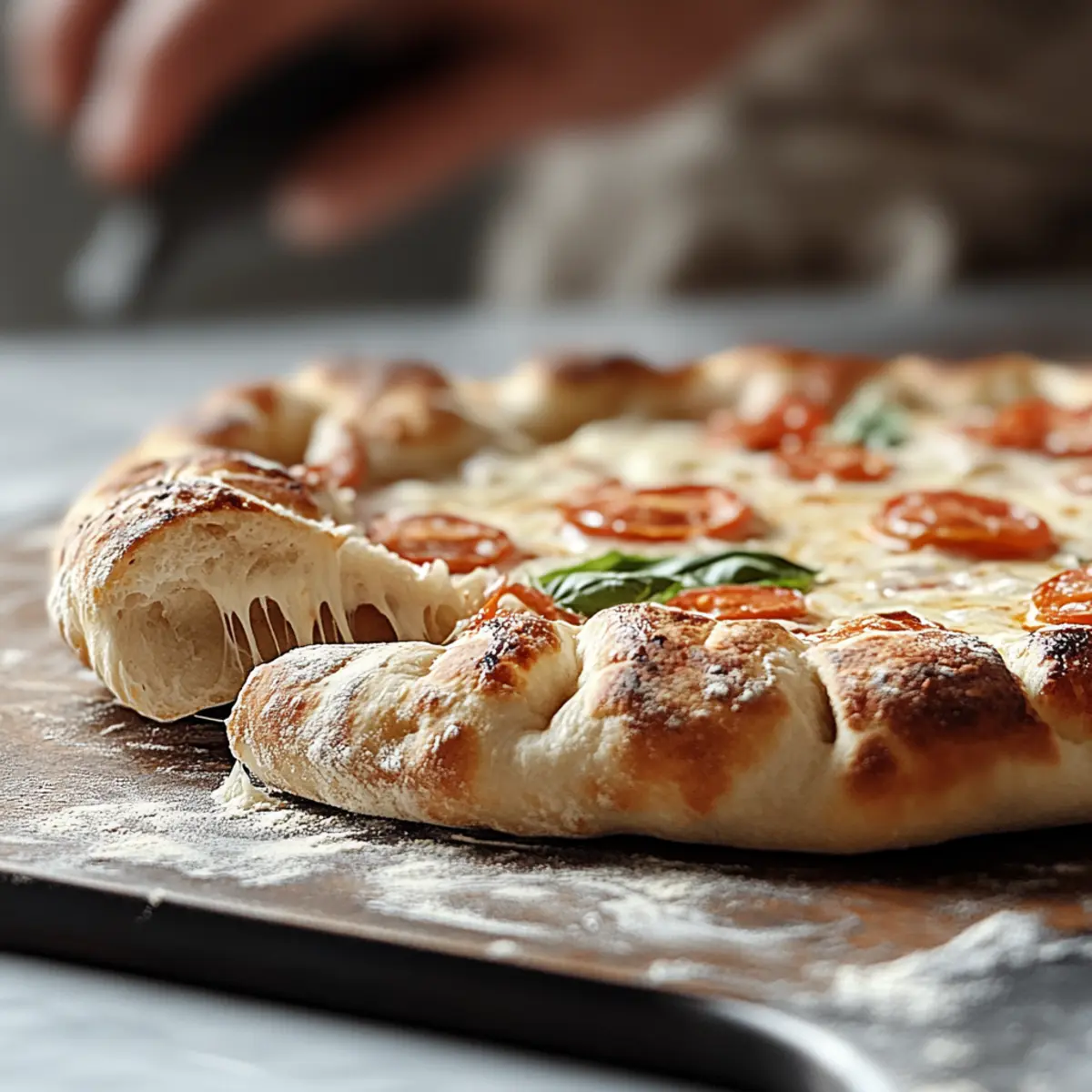
Why is Artisan Pizza Dough a Must-Try?
Elevate your pizza nights: This dough brings pizzeria-quality crust into your home kitchen with surprising ease.
Versatility at its finest: Customize it with herbs or unique flours to suit your taste.
Flavor-packed results: Enjoy a crunchy outside paired with a delightfully chewy center that’s simply irresistible.
Time-saving option: With cold fermentation, you can prepare in advance and have a delicious dough ready whenever inspiration strikes.
Crowd-pleaser guaranteed: Impress family and friends with a pizza that rivals their favorite restaurant creations! To expand your pizza repertoire, check out my delicious Caramelized Onion Pizza or indulge in a crispy Caramelized Onion Sourdough.
Artisan Pizza Dough Ingredients
For the Dough
- Bread Flour – Provides structure and chewiness to the dough; all-purpose can be used but won’t yield the same texture.
- Water (room temperature) – Hydrates the flour to activate gluten; ensure it’s at room temperature for the best results.
- Fine Sea Salt – Enhances flavor and strengthens the dough; this ingredient is critical for overall taste.
- Instant Yeast – Leavens the dough for that airy texture; can be substituted with active dry yeast but may need proofing first.
- Olive Oil – Coats the dough to prevent drying during fermentation; though optional, it adds extra flavor.
Optional Enhancements
- Fresh Herbs – Add to the dough for a fragrant twist; rosemary or oregano work wonderfully for that artisan touch.
- Garlic Powder – Incorporating this can provide an aromatic boost without overpowering the dough; it’s a delightful addition for flavor lovers.
Get ready to craft your Artisan Pizza Dough and enjoy the delightful flavors of homemade pizza right from your kitchen!
Step‑by‑Step Instructions for Artisan Pizza Dough
Step 1: Mix the Dough
In a large mixing bowl, combine the bread flour and instant yeast. Gradually pour in the room temperature water while stirring with a wooden spoon or your hand. Mix until no dry flour remains, and you achieve a sticky consistency. This initial mixing should take about 2-3 minutes, ensuring all ingredients are incorporated well.
Step 2: Autolyse (Rest the Dough)
Cover the bowl with a damp kitchen towel and let it rest for 30 minutes at room temperature. This autolyse phase hydrates the flour, allowing gluten to develop naturally. You’ll notice the dough will slightly puff up, indicating it’s ready for the next step.
Step 3: Add Salt
After the resting time, sprinkle the fine sea salt evenly over your dough. Using a folding technique, gently pull the edges of the dough into the center, incorporating the salt until the mixture is smooth and cohesive. This should take about 3-4 minutes, ensuring a uniform distribution of flavor.
Step 4: First Rise & Stretch & Fold
Transfer your dough to a lightly oiled bowl and cover it with plastic wrap or a damp towel. Let it rise for 2-3 hours at room temperature, during which time it should double in size. Every 30 minutes, stretch and fold the dough over itself to develop strength, repeating this process for a total of four times.
Step 5: Cold Fermentation
Once the dough has completed its first rise, prepare to enhance its flavor through cold fermentation. Place the covered dough in the refrigerator for 24-72 hours. This extended resting period allows for deeper flavor development and a better crust texture for your Artisan Pizza Dough.
Step 6: Shape the Dough
Remove the cold dough from the fridge and let it sit at room temperature for 1 hour to take the chill off. Once rested, turn the dough out onto a lightly floured surface and divide it into two or three equal portions. Shape each portion into a round ball, then let them rest for an additional 30 minutes.
Step 7: Preheat Oven
While the dough rests, preheat your oven to 500°F or higher. For best results, place a pizza stone in the oven to heat up for at least 30 minutes. A hot stone helps achieve that crispy, bubbly crust that makes Artisan Pizza Dough so delightful.
Step 8: Stretch and Bake
On a well-floured surface, gently stretch each dough ball into a round shape, about 10-12 inches in diameter. Add your favorite toppings thoughtfully, avoiding overloading to maintain crust integrity. Transfer the prepared pizza to the hot stone and bake for 7-10 minutes, or until the crust is golden and bubbly.
Step 9: Serve and Enjoy
Once baked, remove the pizza from the oven and let it cool for a minute. Slice it up while still warm to preserve that ideal crust texture. Serve your freshly made Artisan Pizza and revel in the joy of homemade goodness!

What to Serve with Artisan Pizza Dough
Creating the ultimate pizza experience pairs perfectly with thoughtfully chosen sides and drinks that enhance every bite.
-
Fresh Salad: A crisp, vibrant salad with mixed greens and a light vinaigrette offers a refreshing contrast to your warm, cheesy pizza. The crunch adds a delightful texture that balances the meal.
-
Garlic Bread: This classic companion brings buttery, seasoned goodness that complements the flavors of the pizza, perfect for soaking up any extra sauce.
-
Marinated Olives: A small bowl of marinated olives provides a burst of flavor and a touch of Mediterranean flair, making for a savory snack alongside your pizza.
-
Roasted Vegetables: Seasonal roasted veggies can bring a sweet, caramelized flavor that pairs beautifully with the savory notes of your pizza, adding nutrition and color to your meal.
-
Homemade Dipping Sauce: A zesty marinara or creamy ranch makes for the ideal sauce to dip crusts in, elevating the whole pizza experience with extra flavor.
-
Wine Pairing: A light red like Chianti complements the tomato base beautifully and accentuates the richness of cheese, delivering a delightful harmony with every slice.
-
Gelato for Dessert: Finish the meal on a sweet note with a scoop of creamy gelato. Its lightness provides a perfect cool-down after enjoying your deliciously warm artisan pizza.
How to Store and Freeze Artisan Pizza Dough
Fridge: After preparing the dough, refrigerate unused portions wrapped tightly in plastic wrap or coated with olive oil for up to 3 days to maintain freshness.
Freezer: For long-term storage, freeze individual dough portions after the initial rise. Place them in airtight freezer bags, and they will stay fresh for up to 3 months.
Thawing: When ready to use, thaw your Artisan Pizza Dough overnight in the refrigerator for 8-10 hours, allowing it to come back to room temperature before shaping.
Reheating: If you have leftover baked pizza, reheat slices in a hot oven at 375°F for 5-7 minutes to revive that crispy texture.
Expert Tips for Artisan Pizza Dough
- Use Quality Flour: Opt for bread flour for the best chewiness. All-purpose flour can work, but the texture won’t match artisan standards.
- Watch the Temperature: Make sure your water is at room temperature to activate the yeast properly; cold water will hinder fermentation.
- Don’t Rush the Rise: Patience is key! Allow the full 2-3 hours for the first rise along with the cold fermentation to develop flavor in your Artisan Pizza Dough.
- Avoid Overloading: Less is more when it comes to toppings. Overloading can lead to a soggy crust, so focus on quality, not quantity.
- Preheat for Perfection: Ensure your oven and pizza stone are thoroughly preheated to create that crispy crust everyone loves; a hot oven is crucial!
Make Ahead Options
These Artisan Pizza Dough preparations are perfect for busy weeknights or meal planning! You can mix the dough and let it undergo its first rise up to 3 hours in advance before refrigerating it for 24-72 hours in cold fermentation. Just be sure to cover the dough tightly with plastic wrap or a damp cloth to prevent it from drying out. When you’re ready to bake, simply allow the chilled dough to come to room temperature for 1 hour before shaping it into rounds. You’ll enjoy the benefits of flavorful, artisan-quality pizza with minimal last-minute effort, making your pizza nights as convenient as they are delicious!
Artisan Pizza Dough Variations & Substitutions
Ready to put your own spin on this dough? Let your creativity flow with these tantalizing twists that awaken the senses!
- Whole Wheat: Substitute half the bread flour with whole wheat flour for a nutty flavor and added nutrition.
- Gluten-Free: Use a gluten-free flour blend in equal amounts; just make sure to add xanthan gum for elasticity.
- Herb-Infused: Mix in dried herbs like oregano or rosemary directly to the flour for a fragrant burst of flavor.
- Cheesy Crust: Incorporate grated parmesan or mozzarella into the dough for a rich, cheesy character.
- Spicy Kick: Add a pinch of red pepper flakes to the dough for a delightful warmth that lingers.
- Garlic Powder: A teaspoon of garlic powder in the mixture adds aromatic depth, enhancing the overall taste.
- Cold Brewed: Replace some of the water with cold brewed coffee for a unique, earthy twist if you’re feeling adventurous!
Experience the harmony of flavors that this trick can provide, especially with rich toppings. - Savory Seeds: Throw in sesame or poppy seeds for an interesting texture and nutty flavor as your crust bakes.
This Artisan Pizza Dough is your canvas, so feel free to mix and match with different toppings and bases, just like in my Caramelized Onion Pizza or a delightful Caramelized Onion Sourdough. Let your culinary masterpiece shine!

Artisan Pizza Dough Recipe FAQs
What type of flour should I use for Artisan Pizza Dough?
I recommend using bread flour as it provides the best structure and chewiness for your Artisan Pizza Dough. If you use all-purpose flour, the texture will be softer and less chewy; while it will still work, it won’t quite offer that artisan quality we all adore.
How should I store leftover dough?
You can refrigerate any unused portions of your dough by wrapping them tightly in plastic wrap or coating them lightly in olive oil. This will keep them fresh for up to 3 days, perfect for a last-minute pizza night!
Can I freeze Artisan Pizza Dough?
Absolutely! After the initial rise, divide your dough into individual portions suitable for one pizza each and place them in airtight freezer bags. This way, your dough can stay fresh for up to 3 months. When you’re ready to use it, simply thaw your dough overnight in the refrigerator before bringing it back to room temperature for shaping.
What do I do if my dough is too sticky?
If you find your dough is overly sticky while working with it, sprinkle a little extra flour on your hands and the work surface to help manage it. Alternatively, let the dough rest for about 10-15 minutes to allow the gluten to relax, which can make it easier to handle.
Are there any dietary considerations for pets or allergies?
It’s important to mention that while the ingredients in artisan pizza dough are generally safe for humans, they are not advisable for pets. Always keep pizza dough and any seasoned ingredients away from animals, especially those containing garlic or onion, as they can be harmful to pets. If anyone has allergies, be sure to check individual ingredient labels and consider using gluten-free flour or alternative ingredients where necessary!

Artisan Pizza Dough for Perfectly Chewy, Crispy Crusts
Ingredients
Equipment
Method
- In a large mixing bowl, combine the bread flour and instant yeast.
- Gradually pour in the room temperature water while stirring with a wooden spoon or hand.
- Mix until no dry flour remains and the dough is sticky.
- Cover with a damp towel and let it rest for 30 minutes.
- Sprinkle the fine sea salt over the dough and fold it into the center until smooth.
- Transfer to a lightly oiled bowl, cover, and let rise for 2-3 hours, stretching and folding every 30 minutes.
- Place the dough in the refrigerator for 24-72 hours for cold fermentation.
- Remove from the fridge, let it sit for 1 hour, then shape into balls and rest for 30 minutes.
- Preheat your oven to 500°F, placing a pizza stone inside.
- Stretch each dough ball into a round shape and add your desired toppings.
- Transfer to the hot stone and bake for 7-10 minutes until golden and bubbly.
- Remove from the oven, cool slightly, slice, and enjoy!
Leave a Reply