
“Walking into a bustling night market, the enticing aroma of sizzling stir-fries fills the air, igniting my hunger for a homemade meal that can transport me back to those vibrant evenings. That’s where this Homemade Chicken Chow Mein comes in—an effortless weeknight dinner that rivals any takeout! Packed with tender chicken, colorful veggies, and springy noodles, this one-pan dish comes together in no time, ensuring you spend less time cooking and more time enjoying. Not only does it satisfy those takeout cravings, but it’s also a healthy upgrade to your usual fast food. With each bite, you’ll savor the rich, fragrant sauce, bringing a slice of homemade comfort to your table. Ready to recreate that street food magic in your own kitchen?”
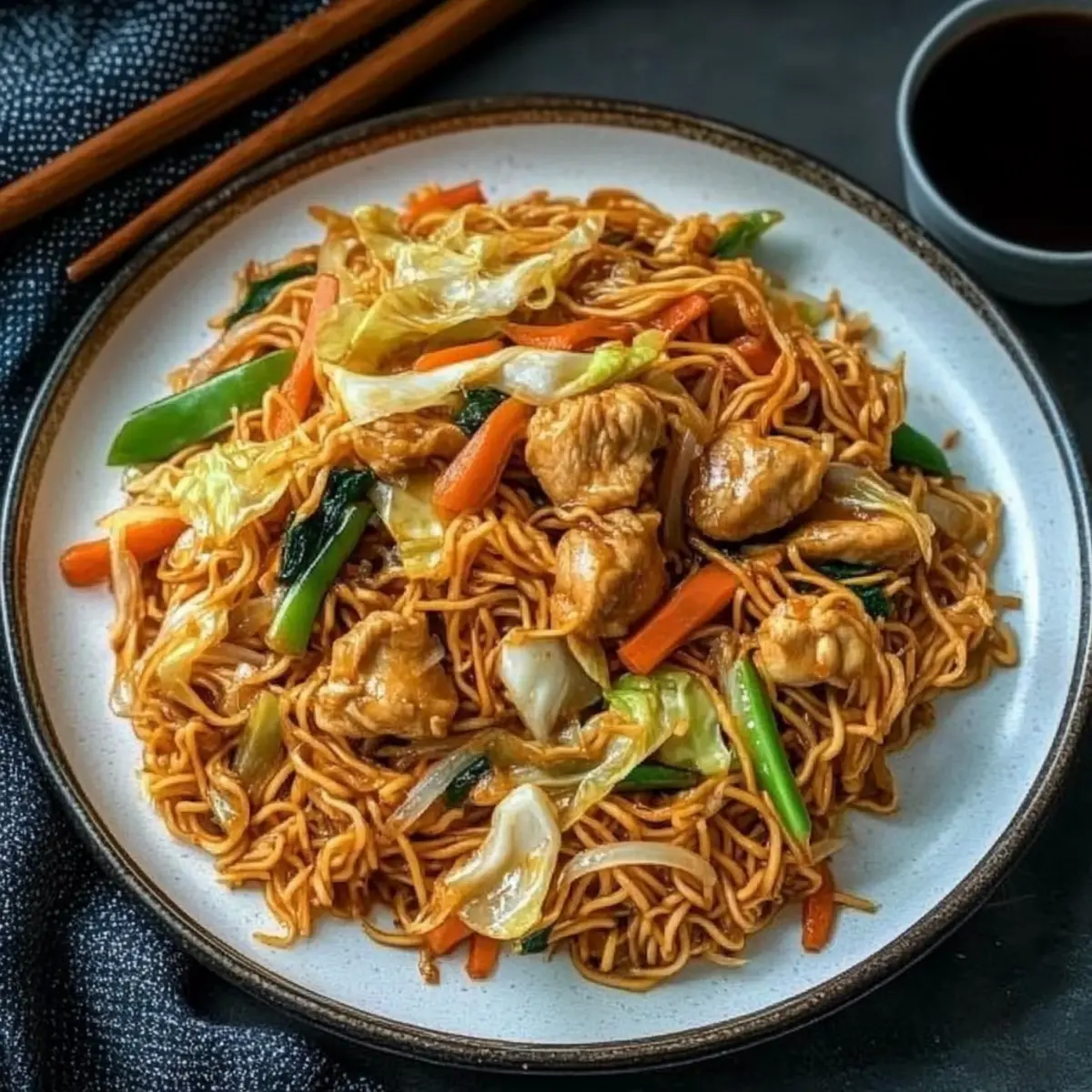
Why Is This Chicken Chow Mein So Special?
Homemade Chicken Chow Mein offers a fulfilling meal that’s truly restaurant-worthy without the wait! Quick to prepare, this dish combines tender chicken and fresh vegetables in a savory sauce, making it perfect for busy weeknights. Versatile, you can customize it with any seasonal veggies you have, and it also serves as an excellent way to use up leftovers. Nutritious without sacrificing flavor, it clocks in at just 254 calories per serving, ensuring you enjoy a hearty meal that’s guilt-free. For more delightful options, check out our French Onion Chicken or Cheesy Garlic Chicken Wraps for easy weeknight dinners!
Chicken Chow Mein Ingredients
For the Chicken
- Boneless Chicken Breast or Thighs – Provides protein and a tender texture; substitute with tofu for a vegetarian version.
- Shaoxing Wine (or Dry Sherry) – Adds depth of flavor; can be replaced with chicken broth if avoiding alcohol.
- Cornstarch – Used for marinating chicken, which helps tenderize it; this can be omitted if gluten-free cornstarch is used.
- Salt – Enhances overall flavors; adjust to taste.
For the Sauce
- Chicken Broth – Adds moisture and flavor; use vegetable broth for a vegetarian option.
- Oyster Sauce – Contributes umami richness; substitute with a vegetarian oyster sauce or hoisin for a different taste.
- Soy Sauce – Provides savory saltiness; light soy sauce is recommended for a milder flavor.
- Sugar – Balances the savory flavors in the sauce; can be replaced with honey or left out for a low-sugar version.
- White Pepper (or Ground Black Pepper) – Adds heat without overpowering; choose according to preference.
- Sesame Oil – Offers a nutty aroma and flavor; can be omitted if nut-free.
For the Chow Mein
- Peanut Oil (or Vegetable Oil) – High smoke point oil for stir-frying; substitute with canola or sunflower oil if desired.
- Shredded Cabbage – Provides crunch and a fresh bite; pre-cut coleslaw can be used for convenience.
- Garlic and Ginger – Essential aromatics that enhance flavor; fresh is best for potency.
- Fresh Chow Mein Noodles or Dried Chow Mein Noodles – Key to the dish’s texture; can substitute with yakisoba or spaghetti.
- Carrots (Julienned) – Adds color and sweetness; use other veggies like bell peppers or snow peas as alternatives.
- Anaheim Pepper (Optional) – For a hint of heat; omit if you prefer a mild dish.
- Green Onions – For freshness and garnish; their green parts add color.
Step‑by‑Step Instructions for Chicken Chow Mein
Step 1: Marinate the Chicken
In a medium bowl, combine boneless chicken breast or thighs with Shaoxing wine, cornstarch, and a pinch of salt. Mix thoroughly, ensuring the chicken is evenly coated. Let this marinate for at least 15 minutes to tenderize the meat, enhancing the flavors for your homemade Chicken Chow Mein.
Step 2: Prepare the Sauce
In a small bowl, whisk together chicken broth, oyster sauce, soy sauce, sugar, white pepper, and sesame oil until well blended. This sauce will serve as the flavorful foundation for your Chicken Chow Mein, so ensure it’s mixed evenly for that perfect umami finish.
Step 3: Cook the Noodles
Bring a pot of water to a boil and cook the fresh or dried chow mein noodles according to package instructions, usually about 3-5 minutes. Once cooked, drain and rinse the noodles under cold water to stop the cooking process, then set them aside for later use in the stir-fry.
Step 4: Sauté the Chicken
Heat 1 tablespoon of peanut oil in a nonstick skillet or wok over medium-high heat. Once hot, add the marinated chicken and cook for 4-5 minutes, stirring occasionally, until the chicken is golden brown and cooked through. Remove the chicken from the skillet and set it aside to keep warm.
Step 5: Stir-Fry Aromatics
In the same skillet, add another tablespoon of oil along with minced garlic and ginger. Sauté for about 30 seconds until fragrant, being careful not to burn them. Their delightful aroma will fill the air, setting the stage for your Chicken Chow Mein.
Step 6: Add the Vegetables
Toss in the shredded cabbage and julienned carrots into the skillet. Stir-fry the vegetables for about 3-4 minutes until they begin to soften but still retain a bit of crunch. This colorful medley will provide a delightful contrast in texture to your chow mein.
Step 7: Combine Noodles and Chicken
Add the cooked chow mein noodles and the sautéed chicken back into the skillet with the vegetables. Pour the prepared sauce over the mixture, using tongs to gently toss everything together. Cook for another 2-3 minutes until the noodles are heated through and the sauce is absorbed, coating all the ingredients beautifully.
Step 8: Garnish and Serve
Finish by adding chopped green onions, tossing to combine, and then remove the skillet from heat. Serve your homemade Chicken Chow Mein hot, allowing each bite to showcase the savory and aromatic flavors that rival takeout.
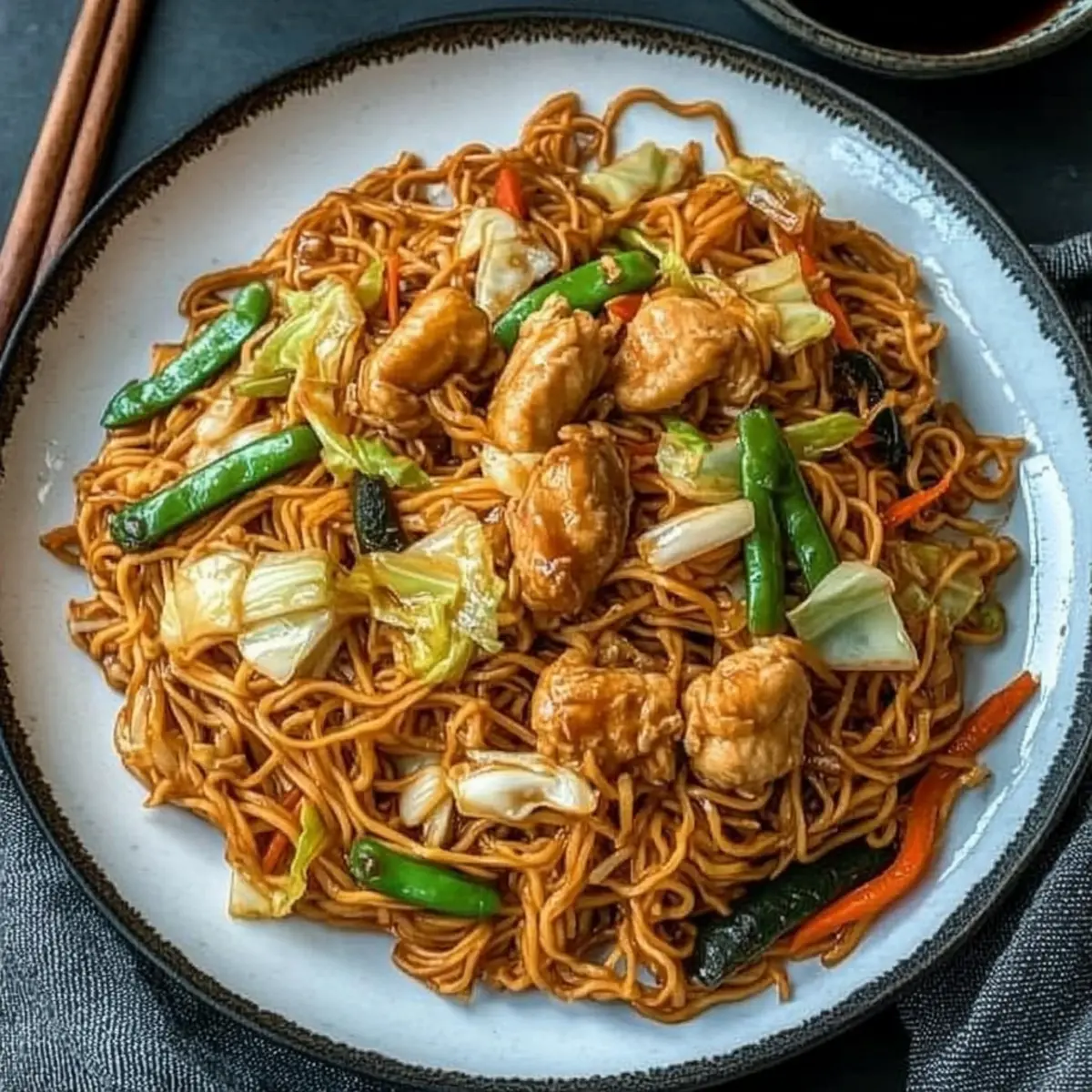
What to Serve with Homemade Chicken Chow Mein?
Walking into your kitchen, the enticing aromas of your freshly cooked Chicken Chow Mein create an atmosphere that’s just waiting for a delightful meal to share with family or friends.
-
Steamed Jasmine Rice: The fluffy grains soak up the delicious sauce, providing a comforting base that pairs perfectly with the stir-fry’s vibrant flavors.
-
Crispy Egg Rolls: These crunchy delights add a fantastic textural contrast to the tender noodles and chicken, making for a well-rounded meal.
-
Tangy Asian Slaw: A refreshing side dish made with crunchy cabbage and a sesame dressing—its crispness elevates the entire dining experience.
-
Wonton Soup: Light yet flavorful, this broth-based soup complements the savory notes of Chicken Chow Mein, making the meal feel complete.
-
Szechuan Spiced Green Beans: A touch of spice from these stir-fried green beans adds vibrancy to your plate, enhancing the overall flavor profile of your meal.
-
Chilled Cucumber Salad: This cool, crunchy salad balances the warm stir-fry, with the cucumbers offering a refreshing crunch that cleanses the palate.
-
Sparkling Water with Lime: A zesty beverage option that refreshes without being heavy—perfect for washing down every savory bite.
-
Mango Sticky Rice: An unexpected yet delightful dessert option that brings sweetness to end your meal on a light note. The creamy coconut rice combined with ripe mango offers a perfect finish!
How to Store and Freeze Chicken Chow Mein
Fridge: Store leftovers in an airtight container for up to 3 days to maintain freshness. Make sure to let it cool completely before sealing to prevent condensation.
Freezer: For longer storage, freeze Chicken Chow Mein in airtight containers for up to 2 months. Portion it out for easy reheating later.
Reheating: When ready to enjoy, thaw in the fridge overnight. Reheat in a skillet over medium heat with a splash of water to restore moisture and texture.
Tip: If freezing, consider undercooking the vegetables slightly during the initial stir-fry, as they will cook further when reheated, ensuring they stay crisp and vibrant.
Chicken Chow Mein Variations & Substitutions
Feel free to create your perfect version of Chicken Chow Mein by exploring these delightful twists and swaps!
-
Vegetarian Delight: Substitute chicken with tofu for a plant-based meal that captures the essence of Asian stir-fries. It’s a fantastic way to enjoy the same flavors without meat.
-
Seafood Twist: Use shrimp or crab instead of chicken for a seafood variation! Cook the shrimp until pink and tender, then toss in with the noodles and sauce for a delightful change.
-
Extra Crunch: Add cashews or peanuts for a nutty crunch that elevates your dish. The added texture perfectly complements the tender chicken and vegetables.
-
Heat It Up: Incorporate thinly sliced jalapeños or sriracha for a spicy kick. Adjust the amount to your taste preference for just the right level of heat!
-
Colorful Veggies: Feel free to mix in colorful veggies like bell peppers, snap peas, or bok choy for added nutrition. Variety not only delights the eye but also makes for a healthier meal!
-
Low-Sugar Option: Swap out sugar for honey or maple syrup for a natural sweetness. This small adjustment balances out the savory undertones, ensuring a well-rounded dish.
-
Noodle Variations: Switch chow mein noodles with yakisoba or even spaghetti for a creative twist. The distinct texture will lend a unique spin to this familiar favorite.
For more inventive chicken recipes that can fit any occasion, check out our Spicy Chipotle Chicken Burgers or the comforting Garlic Butter Chicken and Rice Casserole.
Make Ahead Options
Homemade Chicken Chow Mein is a fantastic dish for meal prep enthusiasts, saving you precious time on busy weeknights! You can marinate the chicken with Shaoxing wine, cornstarch, and salt up to 24 hours in advance, ensuring maximum flavor and tenderness. Additionally, pre-cook the chow mein noodles and store them in an airtight container in the refrigerator for up to 3 days. To maintain quality, keep the cooked noodles separate from the sauce until ready to finish; this prevents them from becoming mushy. When it’s time to enjoy your Chicken Chow Mein, simply sauté the aromatics and vegetables, add the chicken and noodles, pour in the sauce, and toss everything together for delicious results that are just as satisfying as a freshly made dish!
Expert Tips for Perfect Chicken Chow Mein
-
Prep Ingredients First: Having all your ingredients chopped and ready before starting is crucial. Stir-frying is quick, and you’ll want to avoid any downtime!
-
Use Fresh Ingredients: Opt for fresh garlic, ginger, and vegetables to enhance the flavors. This is key to achieving that vibrant, homemade Chicken Chow Mein taste.
-
Control the Heat: Make sure your skillet is hot before adding the chicken. This ensures a nice sear and prevents it from steaming, keeping the chicken tender.
-
Don’t Overcrowd the Pan: Cooking in batches if necessary allows proper browning of the chicken and vegetables, preventing them from becoming soggy.
-
Adjust Your Sauce: Feel free to tweak the sauce ingredients to suit your taste preferences. A touch more soy sauce or sugar can make a world of difference!
-
Serve Immediately: Chicken Chow Mein is best enjoyed fresh; reheating may make the noodles gummy. Serve piping hot to enjoy its delightful texture!
Chicken Chow Mein Recipe FAQs
How do I choose the best chicken for Chicken Chow Mein?
Absolutely! For Chicken Chow Mein, boneless chicken breast or thighs works best because they provide a tender texture. If you’re looking for a vegetarian option, tofu is a fantastic substitute. Always pick fresh chicken without dark spots or unpleasant odors for the best flavor.
How should I store leftover Chicken Chow Mein?
Very important! Store your leftover Chicken Chow Mein in an airtight container in the fridge for up to 3 days. Allow it to cool completely before sealing to prevent condensation from making it soggy. When reheating, adding a splash of water to the skillet helps restore moisture.
Can I freeze Chicken Chow Mein?
Absolutely! To freeze your Chicken Chow Mein, first allow it to cool. Then, portion it into airtight containers for up to 2 months. When you’re ready to eat, simply thaw it overnight in the fridge, then reheat in a skillet over medium heat with a splash of water to help rejuvenate the noodles and veggies.
What should I do if my Chicken Chow Mein turns out soggy?
Don’t worry, this can happen to the best of us! If your Chow Mein is soggy, next time, try undercooking the vegetables a bit during the stir-fry process—this will help them stay crisp when reheated. Also, ensure your pan is hot before adding ingredients to avoid steaming them instead of stir-frying, which can contribute to a soggy texture.
Are there any dietary considerations I should keep in mind?
Definitely! If you’re cooking for someone with allergies, be mindful of oyster sauce and soy sauce, as they contain gluten and shellfish. For a gluten-free version, substitute those with gluten-free soy sauce and check the labels on any sauces. Additionally, sesame oil can be omitted for those with nut allergies. Always inform your guests of all ingredients used to ensure safety.
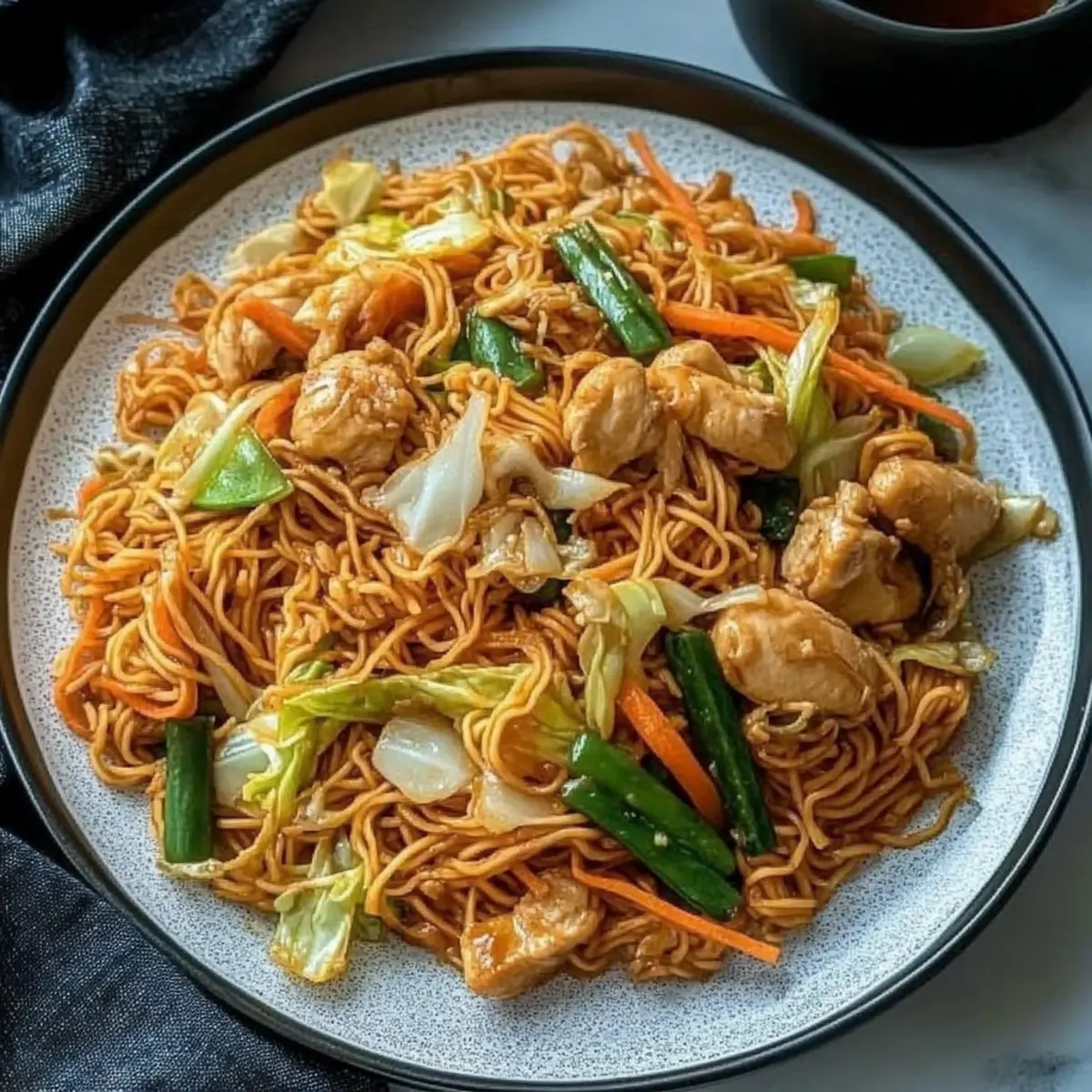
Delicious Chicken Chow Mein for Quick Weeknight Dinners
Ingredients
Equipment
Method
- In a medium bowl, combine boneless chicken breast or thighs with Shaoxing wine, cornstarch, and a pinch of salt. Mix thoroughly, ensuring the chicken is evenly coated. Let this marinate for at least 15 minutes.
- In a small bowl, whisk together chicken broth, oyster sauce, soy sauce, sugar, white pepper, and sesame oil until well blended.
- Bring a pot of water to a boil and cook the chow mein noodles according to package instructions, usually about 3-5 minutes. Once cooked, drain and rinse under cold water.
- Heat 1 tablespoon of peanut oil in a nonstick skillet over medium-high heat. Once hot, add the marinated chicken and cook for 4-5 minutes until golden brown.
- In the same skillet, add another tablespoon of oil along with minced garlic and ginger. Sauté for about 30 seconds until fragrant.
- Toss in the shredded cabbage and julienned carrots into the skillet. Stir-fry for about 3-4 minutes until slightly softened.
- Add the cooked chow mein noodles and sautéed chicken back into the skillet with the vegetables. Pour the prepared sauce over the mixture, and toss everything together.
- Finish by adding chopped green onions, tossing to combine, and then serve hot.
Leave a Reply